



The Coachella Valley hikes guide opens the door to Southern California’s sunlit amphitheatre, nestled between the rugged Santa Rosa Mountains and San Jacinto Mountains, a landscape so striking it almost feels unreal at first glance.
You can wander shaded palm oases in the Coachella Valley Preserve or push yourself on steep ridge climbs that end in alpine air via the Palm Springs Aerial Tramway. That contrast? It’s the magic.
Surrounded by four mountain ranges, the valley serves up everything from sandy desert paths to pine-covered peaks.
First-timer? You’re covered. Seasoned trekker chasing elevation? You too. Even families or Phoenix road-trippers find their rhythm here.
A glance helps. No guesswork, just trails and terrain.
| Zone | Featured Trails | Difficulty Range | Fee |
| Coachella Valley Preserve | Pushawalla, McCallum, Willis Palm, Hidden Palms | Easy to Moderate | Free or Donation |
| Indian Canyons (Palm Springs) | Palm Canyon, Andreas Canyon, Indian Canyon West Fork | Easy to Moderate | Yes |
| Palm Desert and La Quinta | Bump and Grind, Art Smith, Randall Henderson, Boo Hoff | Moderate to Strenuous | Free |
| Mount San Jacinto (Tram) | Desert View, Round Valley, San Jacinto Peak | Easy to Strenuous | Tram Fee |
| Joshua Tree National Park | Hidden Valley, Ryan Mountain, 49 Palms Oasis | Easy to Moderate | Park Entry Fee |
| Mecca Hills Wilderness | Painted Canyon, Long Canyon | Easy to Moderate | Free |
| Big Morongo Canyon Preserve | Big Morongo Canyon Loop | Easy | Free |
| Whitewater Preserve | Canyon Loop, PCT Connection | Easy to Moderate | Free |
You know what makes this place stick with people? It’s not just the trails. It’s the way the desert surprises you.
One minute it’s dry and quiet, the next you’re under a canopy of palms with water trickling nearby. That contrast stays with you.
Coachella Valley Mountain Ranges: Understanding the Hiking Terrain
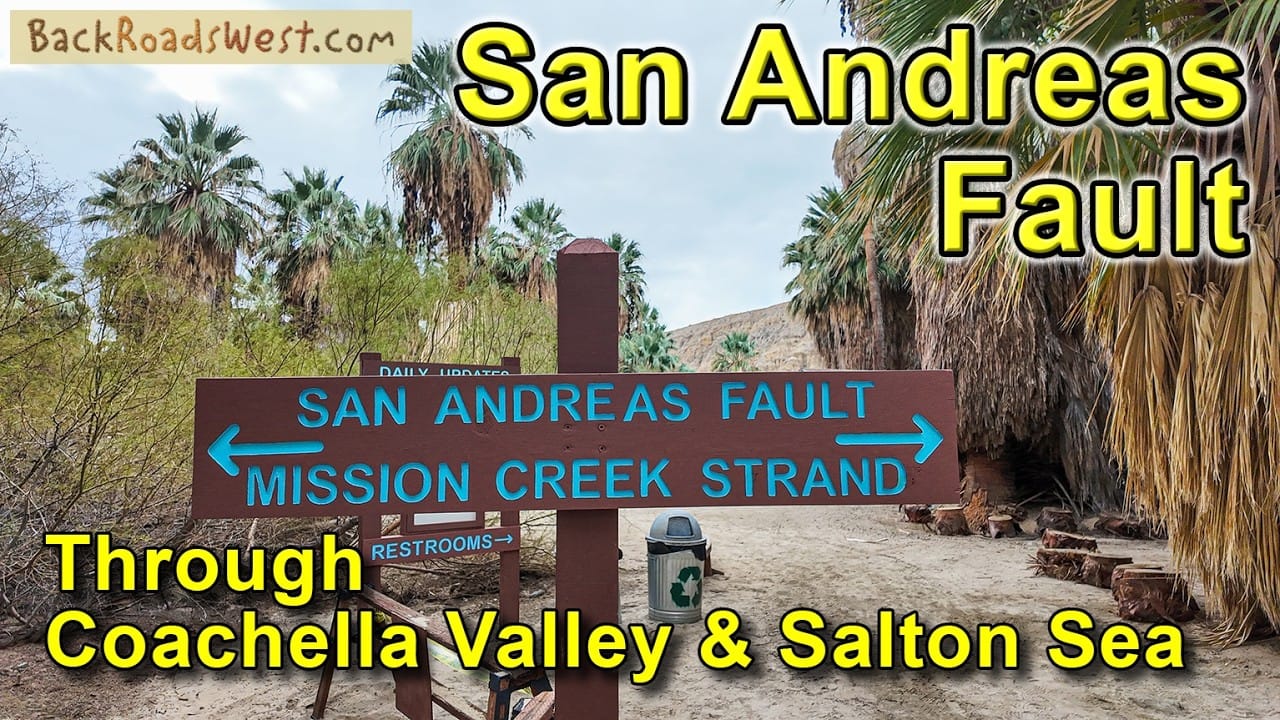
Here’s the thing. Hiking from the Coachella Valley isn’t just about picking a trail. It’s about choosing your terrain.
You’re surrounded by four distinct mountain systems, each shaping trail difficulty, temperature, and scenery. That means one simple advantage.
Even when desert heat kicks in, you can still find cooler air at higher elevations. It sounds obvious, but it changes everything for planning hikes year-round.
The Four Mountain Ranges That Frame Every Coachella Valley Hike
Let me explain. Each range feels like a different hiking world. Same valley, completely different experiences.
San Jacinto Mountains: Alpine Hikes Above Palm Springs
The San Jacinto Mountains dominate the skyline and the stats.
- Home to Mount San Jacinto Peak at 10,834 feet
- Famous for the Cactus to Clouds route, one of the toughest day hikes in the US
- Access via the Palm Springs Aerial Tramway
You start in desert heat and end in an alpine forest. That shift feels dramatic, almost unreal.
Santa Rosa Mountains: Best Training Trails in South Valley
Stretching along the southern edge, the Santa Rosa Mountains are reliable and varied.
- Popular trails include Art Smith, Randall Henderson Loop, and La Quinta Cove routes
- Terrain mixes rocky switchbacks with open desert ridgelines
Honestly, this is where many locals train. It’s tough, but not overwhelming.
Little San Bernardino Mountains: Gateway to Joshua Tree Hikes
Up north, the Little San Bernardino Mountains connect directly with Joshua Tree National Park.
- Trails like Hidden Valley and Ryan Mountain sit here
- Landscape features granite boulders, Joshua trees, and wide-open views
It feels quieter. A bit raw, a bit cinematic.
Indio Hills and Orocopia Mountains: Slot Canyon Adventures
To the east, the Orocopia Mountains and Indio Hills bring a different mood.
- Home to Mecca Hills Wilderness
- Painted Canyon offers narrow slot hikes and ladder climbs
You know what stands out? The geology. Twisted rock layers, tight passages. It’s playful hiking.
Why Elevation Matters for Year-Round Coachella Valley Hiking
At first, it seems like just geography. It’s not.
- Elevation ranges from below sea level to over 10,000 feet
- Temperature drops roughly 3 to 5 degrees Fahrenheit per 1,000 feet of gain
- You can hike year-round by adjusting elevation and start time
So yes, it’s hot in summer. But head higher, start early, and trails are still within reach. That flexibility is what makes Coachella Valley hiking quietly brilliant.
Planning your desert adventures? Don’t miss our Palm Springs Neighborhood Guide 2026: 7 Best Areas to Stay to find the perfect spot near all the festivals and events.
Best Hikes in Coachella Valley Preserve: Desert Oasis Trails
Planning hikes in the Coachella Valley can feel like a lot at first. So here’s the idea. This guide groups trails by zone, then sorts them by difficulty.
It keeps things clear. You can quickly match a hike to your location and energy level without second-guessing.
Now, a quick mention that actually matters. The Coachella Valley Hiking Club, founded in 1992 by Philip Ferranti, plays a big role in the local hiking scene.
- They lead guided hikes across palm oases, slot canyons, and ridgelines
- Routes often include lesser-known trails that most visitors miss
If it’s your first time here, joining one of their hikes is a smart move. You get local insight, safer navigation, and a much better feel for the terrain right from the start.
Coachella Valley Preserve: Hikes Through An Ancient Desert Oasis
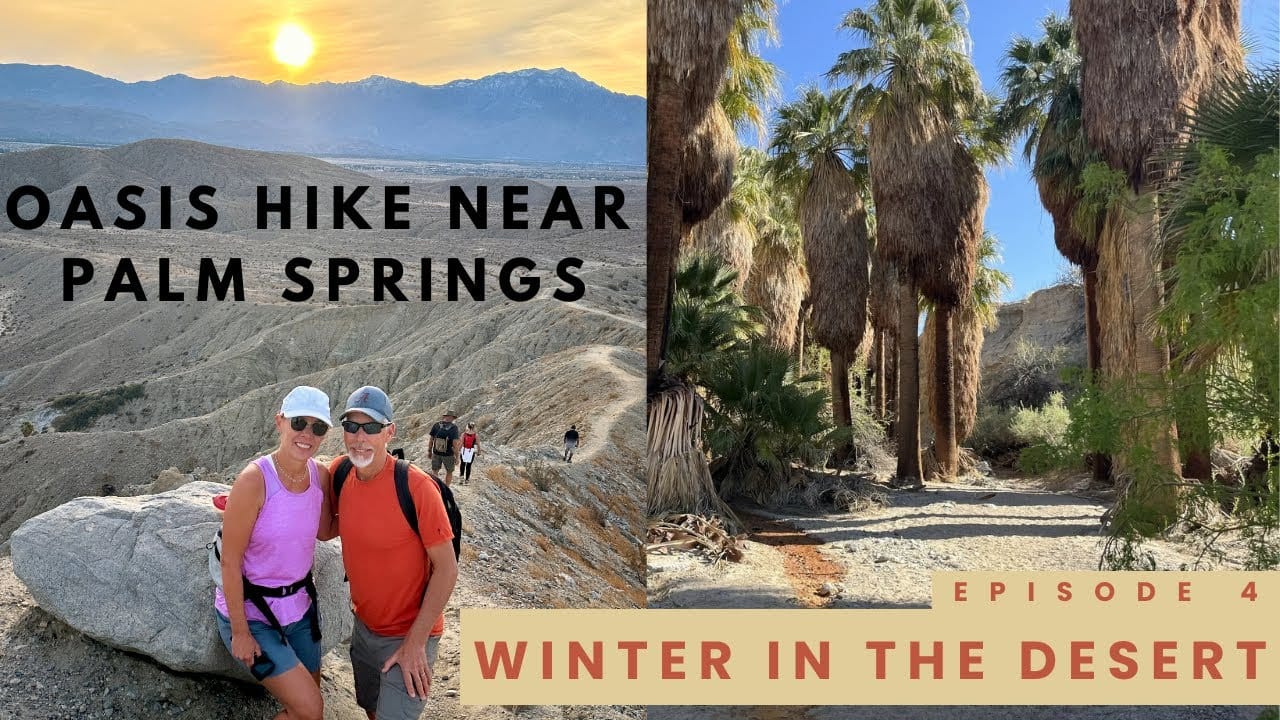
An Oasis in the Desert | Coachella Valley Preserve | Near Palm Springs
Step into the Coachella Valley Preserve and something shifts. The air feels softer. The desert, oddly, feels alive.
This is where Coachella Valley Preserve hiking stands apart. You’re not just walking trails. You’re moving through an oasis system shaped by fault lines, time, and rare water sources.
What Is the Coachella Valley Preserve?
Let us explain. The preserve spans roughly 20,000 acres within the larger Thousand Palms Oasis, right in the heart of the Coachella Valley.
- Fed by underground water from the San Andreas Fault
- Home to the rare Coachella Valley fringe-toed lizard
- One of the few places where desert ecosystems and water coexist naturally
There are a few rules, and they matter:
- No dogs allowed
- Seasonal hours vary, so check ahead
- Entry is free, but donations are encouraged
Honestly, it feels less like a park and more like a living desert museum.
Hikes In Coachella Valley Preserve: Trail By Trail
Now, let’s get into the trails. Each one offers a slightly different version of the same landscape.
Pushawalla Palms Trail (Moderate, 6 mi loop)
Pushawalla Palms Trail is one of the most rewarding Coachella Valley preserve hikes if you want space and solitude.
- Leads to a remote palm oasis
- Passes visible fault-line formations
- Features thick California fan palm groves
Best from October to April. Summer heat here is no joke.
McCallum Trail To McCallum Grove (Easy, 1.8 mi round trip)
The McCallum Trail to McCallum Grove is short, accessible, and surprisingly rich.
- Begins at Thousand Palms Oasis on a wooden boardwalk
- Ends at McCallum Pond, home to the endangered Desert Pupfish
- Optional spur leads to a fault overlook
Great for families. And yes, you’ll probably linger longer than planned.
Hidden Palms Loop Trail (Easy to Moderate, 3.5 mi)
The Hidden Palms Loop Trail is a bit more adventurous, but still manageable.
- Runs through the Indio Badlands
- Connects two scenic palm groves
- Best hiked counterclockwise for clearer navigation
It’s rocky in parts, but that’s part of the charm.
Willis Palm Loop Trail (Easy, 2 mi loop)
Willis Palm Loop Trail is simple, open, and quietly scenic.
- Flat sandy trail through desert scrub
- Views of distant mountains and rocky formations
- Minimal shade, so plan accordingly
Bring sunscreen and at least one liter of water. No shortcuts here.
Indian Palms Trail (Easy, 1.75 mi)
If you want an easy, no-stress walk, Indian Palms Trail is the perfect choice.
- Clearly marked with stone-lined paths
- Leads toward multiple oasis points
- Spring brings seasonal wildflowers
Even if you lose the trail briefly, the flat terrain makes navigation forgiving.
Desert Oasis Trail Overview Table
You know what makes these hikes memorable? It’s not just the scenery. It’s the contrast. Dry desert one minute, shaded palms the next. That shift sticks with you.
Wondering if Palm Springs is worth it? Discover 7 stunning reasons in Is Palm Springs Worth a Visit? 7 Stunning Reasons to Go (2026).
That will make you pack your bags immediately!
Indian Canyons Hiking Trails: Sacred Lands Near Palm Springs
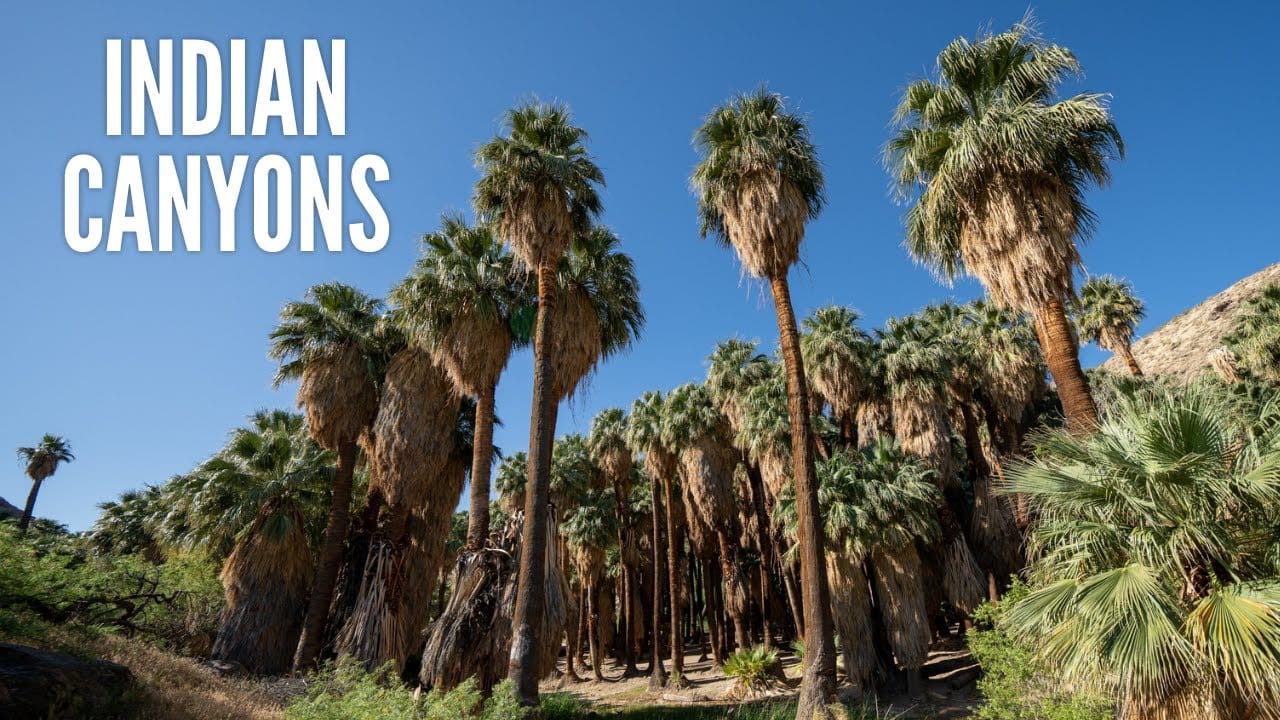
If you want a Coachella Valley hike that blends culture, water, and classic desert scenery, this zone delivers.
The Indian Canyons sit just south of Palm Springs, and honestly, they feel different from the rest of the valley.
These are ancestral lands of the Agua Caliente Band of Cahuilla Indians. So yes, there’s a fee to enter, but what you get in return feels richer.
Indian Canyons Hiking Trails: Palm Springs Sacred Lands
Let’s walk through the key trails. Each one offers a distinct experience, even though they share the same canyon system.
Indian Canyon West Fork Trail (Moderate To Strenuous, 5 to 14 mi)
Indian Canyon West Fork Trail is where things get serious.
- First 5 miles are a manageable out-and-back
- Extends up to 14 miles with about 4,000 feet of elevation gain
- Deep canyon hiking with changing terrain throughout
It’s immersive. Quiet. And if you go far enough, it feels almost untouched.
Palm Canyon Trail (Easy to Moderate, 2 mi round trip, extendable)
Palm Canyon Trail is a classic, and for good reason.
- Home to the world’s largest California fan palm oasis
- Shaded sections follow Palm Canyon Creek
- Can extend into backcountry routes beyond 15 miles
You can keep it short or stretch it into a full-day hike. That flexibility makes it popular.
Andreas Canyon Trail (Easy, 1 mi loop)
Andreas Canyon Trail is short, but surprisingly rich.
- Creekside loop with thick palm cover
- Known for birdlife and rock formations
- Connects to Murray Canyon and Victor Trail
Best after winter rains when water flow picks up. That’s when it really shines.
Tahquitz Canyon Trail (Easy, 2 mi loop)
Tahquitz Canyon Trail adds a visual payoff.
- Leads to Tahquitz Falls, a 60-foot seasonal waterfall
- Features rock art, ancient mortars, and natural shelters
- Entry fee around $15 per person, with ranger-led tours available
Best visited from January to April when the waterfall is active.
Araby Trail (Moderate, 3 mi round trip)
Araby Trail is a quieter option just outside the main canyon system.
- Free access above South Palm Springs
- Passes near the former estate of Bob Hope
- Connects with Lykken and Henderson trails
Dogs are allowed on leash here, which is rare for this region.
You know what stands out in this zone? Water. In a desert, that changes everything. It softens the landscape, cools the air, and makes these hikes feel unexpectedly lush.
Best Hiking Trails in Palm Desert: Santa Rosa Mountain Zone
If you’re exploring the Coachella Valley, the Palm Desert zone offers something a bit unexpected. It’s not just resorts and golf courses.
The Santa Rosa Mountains rise sharply here, opening up rugged trails, canyon routes, and wide valley views.
Things To Do In Palm Desert: Beyond The Golf Course
Let’s get into the trails. This area blends accessibility with real elevation gain, which makes it popular with both locals and visiting hikers.
Bump And Grind Trail (Moderate, 4 mi loop)
Bump And Grind Trail’s a local favorite, especially for a quick workout.
- Steady climb with minimal shade
- Panoramic views stretch across Palm Desert and beyond
- On clear days, you can spot the Salton Sea
Best done clockwise for a smoother descent. Easy to reach right from town.
Art Smith Trail (Moderate To Strenuous, 11 mi round trip)
Art Smith Trail is where the terrain starts to feel wild.
- Long desert hike through canyons and ridgelines
- Part of the Santa Rosa and San Jacinto Mountains National Monument
- Connects with Randall Henderson Loop
Dogs are allowed on leash, which is a bonus here.
Randall Henderson Canyon Loop Trail (Moderate, 4 to 5 mi)
Randall Henderson Canyon Loop Trail is a trail that quietly surprises you.
- Features include slot canyons and layered sedimentary rock
- Fossilized seashells hint at ancient Lake Cahuilla
- Spring wildflowers add color across the canyon
It’s scenic, but also a bit of a geology lesson.
Boo Hoff Trail Via La Quinta Cove (Moderate, 7 mi loop)
Boo Hoff Trail Via La Quinta Covel leans into culture and wildlife.
- Traverses lower mountain slopes above La Quinta Cove
- Habitat for Peninsular Bighorn Sheep
- Connects to the Cove to Lake Trail toward Lake Cahuilla
Dogs aren’t allowed here, mainly to protect wildlife.
Cahuilla Tewanet Trail (Moderate, 3 mi loop)
The Cahuilla Tewanet Trail is shorter, but still rewarding.
- Wide views of the valley and surrounding peaks
- Located near Indian Wells
- Well-marked and easy to follow
A good option if you want views without committing to a long hike.
| Trail | Distance | Difficulty | Dogs | Fee | Best For |
| Bump And Grind | 4 mi | Moderate | No | Free | Valley views, cardio |
| Art Smith Trail | 11 mi | Strenuous | Yes | Free | Wilderness experience |
| Randall Henderson Loop | 4 to 5 mi | Moderate | Yes | Free | Slot canyons, geology |
| Boo Hoff / La Quinta Cove | 7 mi | Moderate | No | Free | Bighorn habitat |
| Cahuilla Tewanet | 3 mi | Moderate | Yes | Free | Panoramic views |
You know what stands out here? The mix. You can start with a short loop in the morning, then push into deeper canyon terrain by afternoon.
It’s flexible, and that’s what makes Palm Desert hiking quietly addictive.
Things To Do In Joshua Tree National Park: Hiking Beyond The Valley
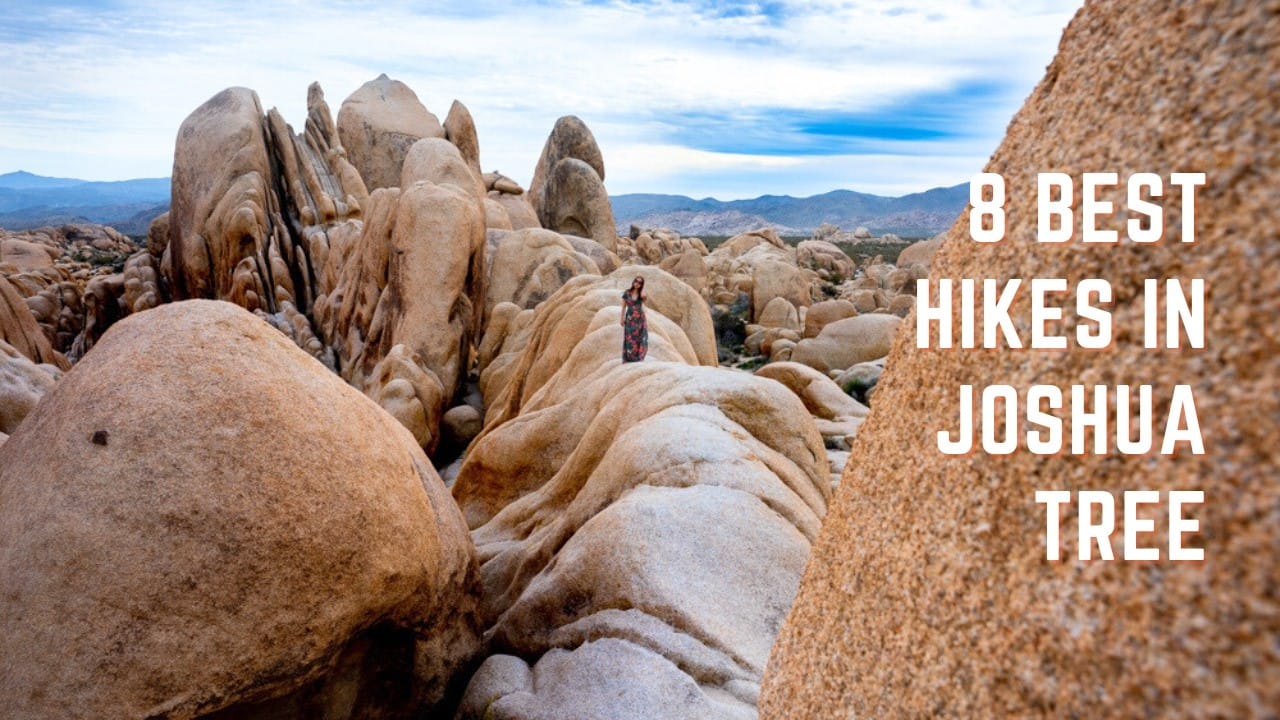
If you’re based in the Coachella Valley, here’s a simple truth. Some of the best hikes aren’t in the valley at all. They’re just beyond it.
The shift happens fast. Within 45 to 60 minutes from Palm Springs, you’re inside Joshua Tree National Park, surrounded by massive boulder piles, twisted Joshua trees, and open desert sky.
Why Joshua Tree Is Essential For Coachella Valley Hikers
This park feels different, and that’s exactly why it matters.
- Landscape shifts from palm oases to high desert terrain
- Known for rock formations, yucca plants, and iconic Joshua trees
- Close access to sections of the Pacific Crest Trail
There are a couple of rules to keep in mind:
- Park entry fee required
- Dogs are not allowed on hiking trails
Now, let’s get into the trails worth your time.
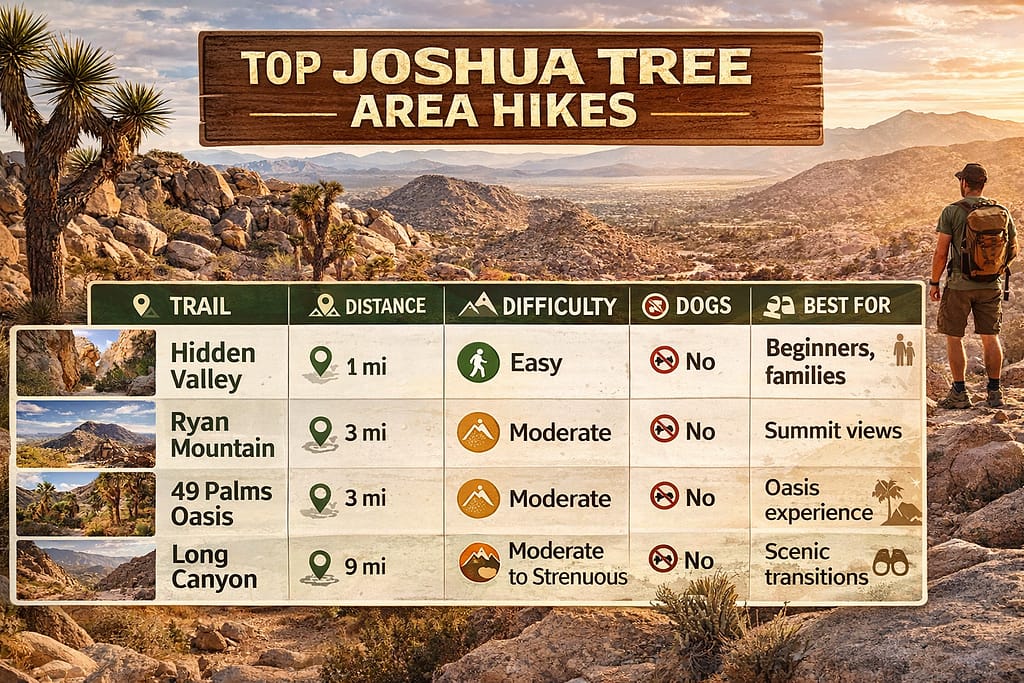
Hidden Valley Trail (Easy, 1 mi loop)
Hidden Valley Trail is a perfect starting point.
- Short loop through enclosed rock formations
- Great for families and first-time hikers
- Classic Joshua tree scenery throughout
Ryan Mountain Trail (Moderate, 3 mi round trip)
Ryan Mountain Trail adds elevation and effort.
- Gains about 1,070 feet
- Summit offers wide desert views
- Best done on clear winter mornings
It’s short, but it makes you work a bit.
49 Palms Oasis Trail (Moderate, 3 mi round trip)
49 Palms Oasis Trail is a rewarding contrast hike.
- Leads to a secluded palm oasis
- One of the few water-supported ecosystems in the park
- Quiet compared to other popular trails
You’ll feel the change as you approach the palms. It’s subtle, then obvious.
Long Canyon Trail (Moderate To Strenuous, 9 mi one way)
Long Canyon Trail is for those wanting a bigger outing.
- Connects Desert Hot Springs to the high desert
- Gradual transition from creosote scrub to Joshua tree woodland
- Longer, more remote experience
You know what makes Joshua Tree special? It’s the contrast again. Same region, completely different terrain. And that’s what keeps Coachella Valley hiking from ever feeling repetitive.
Love wine and scenic escapes? Sip your way through the desert with our Palm Springs Wine Guide 2026: 7 Best Tasting Rooms & Hidden Gems.
Coachella Valley Hiking Club: Join The Community On The Trail
Hiking in the Coachella Valley doesn’t have to be a solo effort. In fact, it’s often better when it isn’t.
About The Coachella Valley Hiking Club (CVHC)
The Coachella Valley Hiking Club was founded in 1992 by Philip Ferranti, a respected mountaineer and author who has led over 500 hikes and written extensively about desert trails.
- Hosts weekly guided hikes for all skill levels
- Organizes the annual Hike4HOPE at Whitewater Preserve
- The event supports City of Hope and has raised over $4 million
Ferranti’s book, 140 Great Hikes In and Near Palm Springs, is widely seen as the go-to local guide.
Why Join The CVHC
There’s a practical side to joining, especially if you’re new.
- Safety in numbers on remote desert trails
- Access to local knowledge, including seasonal wildflower timing
- Guided entry to lesser-known or hard-to-navigate routes
It’s a great fit for solo travelers, Phoenix visitors, and first-time hikers who want a smoother, more informed start.
Phoenix to Palm Springs Road Trip: 3-Day Coachella Valley Hiking Itinerary

If you’re planning Phoenix vacation ideas, here’s one that feels easy yet surprisingly rich. Pair Phoenix with a hiking escape to the Coachella Valley.
Coachella Valley Hikes As Part Of A Southwest Desert Road Trip
The drive from Phoenix to Palm Springs takes about three hours via I-10 West. Flat, scenic, and honestly, part of the experience.
Here’s a simple 3-day plan that works well:
| Day | Location | Hike | Overnight |
| Day 1 | Coachella Valley Preserve | McCallum Trail + Willis Palm Loop | Spirit of Sofia |
| Day 2 | Indian Canyons + Palm Desert | Andreas Canyon + Bump and Grind | Spirit of Sofia |
| Day 3 | Joshua Tree National Park | Hidden Valley + 49 Palms Oasis | Drive back to Phoenix |
A quick tip that matters more than you’d think:
- Visit between November and March for cooler hiking conditions
And when you’re not on the trail, Palm Springs adds a different flavor. Mid-century architecture, relaxed wine spots, and some seriously good food. It rounds out the trip in a way pure hiking never quite can.
Spirit of Sofia: Best Place to Stay for Coachella Valley Hiking

After a long day exploring the Coachella Valley, where you stay starts to shape the whole experience. Not just rest, but how you feel the next morning when the trail calls again.
Where To Stay For The Best Coachella Valley Hiking Experience
The Spirit of Sofia sits right in central Palm Springs. That location quietly does a lot of work for you. You’re minutes from Indian Canyons, Araby Trail, the Museum Trail, and the Palm Springs Aerial Tramway Valley Station.
So instead of long drives before sunrise, you get a slower start. Coffee, a short drive, and you’re already on the trail.
The hotel itself leans into a relaxed, mid-century desert style. Clean lines, open spaces, and a calm atmosphere that fit the landscape rather than competing with it. It feels intentional, but not overdone.
- A large pool that works perfectly for post-hike recovery
- Fast access to South Palm Springs trailheads
- Pet-friendly options for travelers sticking to city-friendly routes
- Clear views of the San Jacinto Mountains
- Full buyout options for hiking groups and retreats
- Easy walk to Palm Canyon Drive cafés for early breakfasts
You know what stands out most? The balance. Active days outside, quiet evenings back at the hotel. It’s not flashy, and that’s exactly why it works.
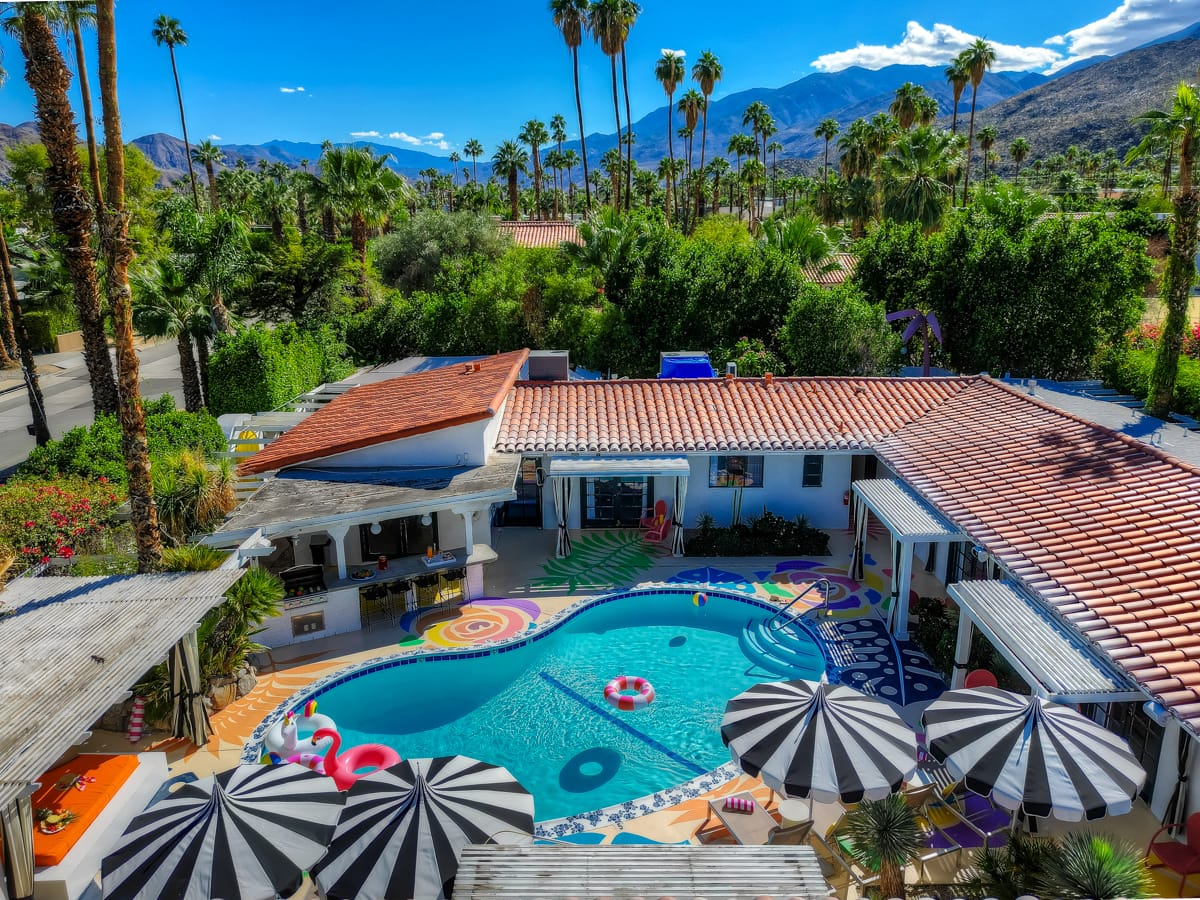
In Palm Springs, minutes from Palm Canyon Drive, Spirit of Sofia is a boutique resort built for groups: two pools, two hot tubs, a sauna, a steam room, and full mountain views. Book the 11-bedroom, the 12-bedroom, or take over all 23 bedrooms for group stays, birthdays, bachelorettes, weddings, retreats, and milestone celebrations.
Best Time to Hike Coachella Valley: Seasonal Trail Guide
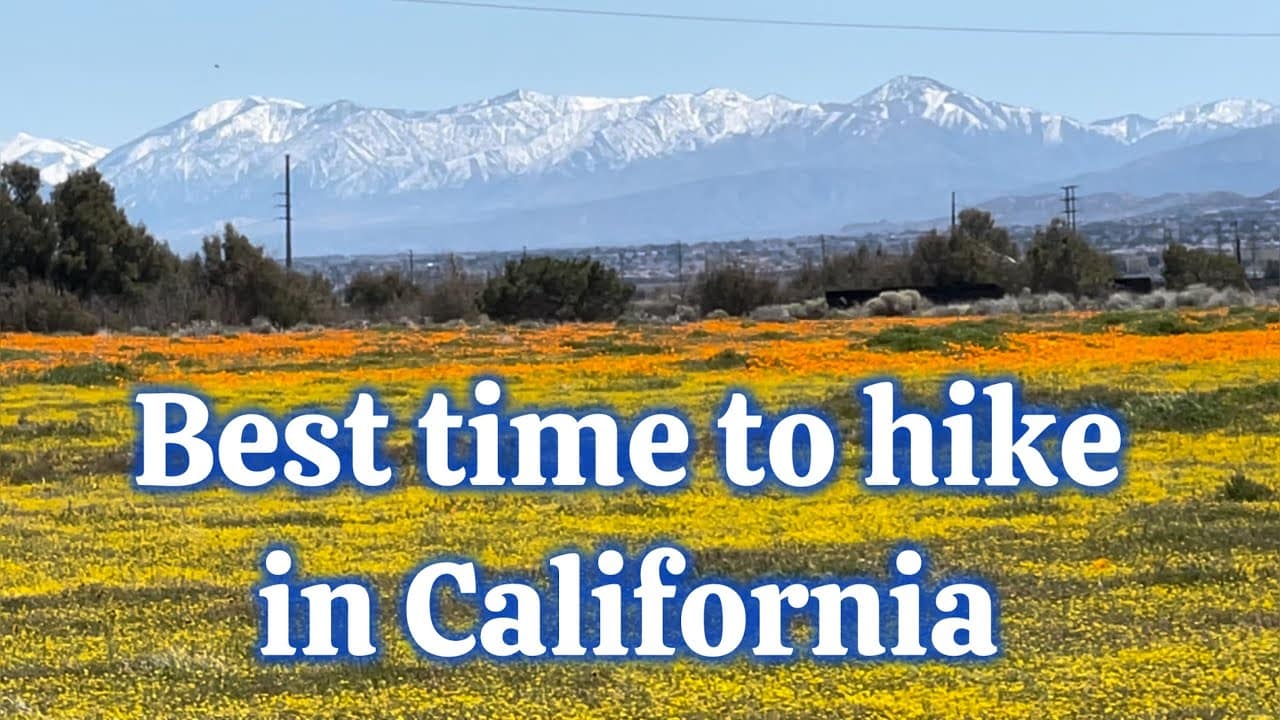
Timing your hikes in the Coachella Valley isn’t just helpful. It’s essential. Temperatures swing fast here, and the same trail can feel completely different depending on the season.
Fall And Winter (October To March): Peak Hiking Season
This is when the valley truly opens up for hikers.
- Temperatures range from 55 to 75°F
- Most trails are at their most comfortable and accessible
- Waterfalls like Tahquitz Falls flow best after winter rains
Desert hiking is possible year-round, but honestly, October through April is the sweet spot. It’s also when the Coachella Valley Hiking Club runs regular guided hikes.
Spring (March To May): Wildflower Window
Spring adds color to the desert, but timing matters.
- Wildflowers bloom across the East Valley and the Mecca Hills Wilderness
- Top spots include Bear Creek Canyon near La Quinta Cove and Andreas Canyon
- Pushawalla and Hidden Palms trails peak in late March
Start early. By April, temperatures rise quickly after mid-morning.
Summer (June To September): High Elevation Only
Summer hiking requires caution. No shortcuts here.
- Valley floor temperatures often exceed 100°F, sometimes reaching 120°F
- Avoid hiking between 9 AM and 5 PM
Your best option is elevation. Take the Palm Springs Aerial Tramway up toward the San Jacinto Mountains, where cooler alpine conditions make hiking possible.
If you do hike in summer, start at sunrise and carry more water than you think you’ll need.
Coachella Valley Hiking Tips: What to Know Before You Go
Before heading out into the Coachella Valley, a little preparation goes a long way. Desert hiking is rewarding, but it’s not forgiving if you overlook the basics.
What To Pack For A Coachella Valley Hike
You don’t need a lot, but what you carry matters.
- Water: at least 1 liter per hour per person, even in cooler months
- Sun protection: SPF 50+, wide-brim hat, UV sunglasses
- Footwear: trail shoes or lightweight hiking boots; avoid sandals on rocky terrain
- Navigation: download maps on AllTrails and carry a paper backup
- Layers: higher elevations near the San Jacinto Mountains can be 30 to 40°F cooler
Wildlife Awareness On Coachella Valley Trails
The desert is active, even when it looks still.
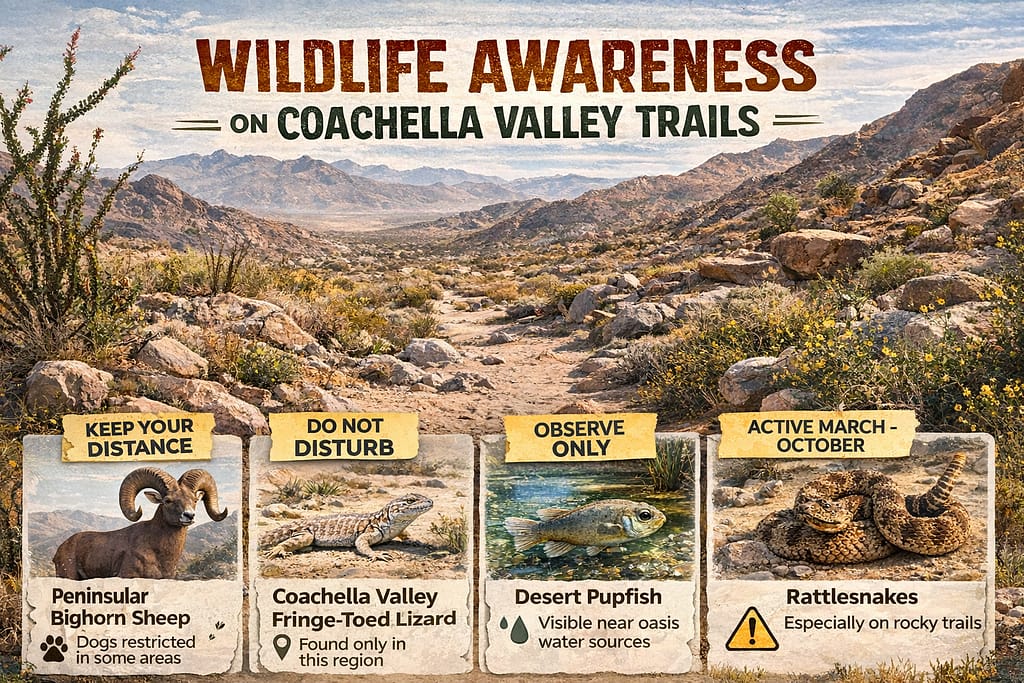
Pack in, pack out. It’s simple, but it keeps these trails wild.
Parking And Trailhead Tips
A few small details can save time and hassle.
- Coachella Valley Preserve: main lot may close seasonally; nearby roadside parking is common
- Indian Canyons: pay at the entrance or book ahead online
- Bump and Grind Trail: street parking near El Paseo and Cabrillo Avenue; arrive early on weekends
- La Quinta Cove: free trailhead parking with shaded picnic areas
A bit of planning here makes the day smoother once you’re out on the trail.
Taking the tram to new heights? Check out the Palm Springs Aerial Tramway: Ultimate Insider Guide (2026) for tips, hidden viewpoints, and must-see experiences.
Best Hikes In Coachella Valley For Every Type Of Adventurer
The Coachella Valley quietly delivers one of the most diverse hiking landscapes in California.
You can start with an easy palm oasis walk in the Coachella Valley Preserve, push into canyon hikes at Indian Canyons, or chase elevation in the San Jacinto Mountains.
That range is what makes it special. Short hikes, long treks, desert solitude, alpine air. It’s all here.
So whether you’re visiting for a weekend or planning a longer stay, there’s always another trail waiting. And honestly, that’s the kind of place you come back to.
FAQs | Coachella Valley Hikes Guide
1. What is the prettiest hike in Palm Springs?
The Joshua Tree National Park trails and Tahquitz Canyon are considered the most scenic. Expect desert landscapes, waterfalls, and unique rock formations.
2. Does hiking lower cholesterol?
Yes! Regular hiking improves heart health and can help lower LDL cholesterol naturally. It’s a great low-impact cardio activity.
3. What is Coachella Valley famous for?
It’s known for the Coachella Music & Arts Festival, sprawling desert landscapes, and luxury resorts. Agriculture, especially date farming, is also prominent.
4. Why do hikers eat gummy bears?
Gummy bears provide quick sugar energy during long hikes. They’re easy to carry and help maintain stamina on steep trails.
5. What is the 2-hour rule in Palm Springs?
It refers to limiting sun exposure during peak heat, usually between 11 AM and 1 PM. Following this prevents dehydration and sunburn while hiking.
6. Is Coachella Valley worth visiting?
Absolutely! From desert hikes and festivals to art walks and golf resorts, Coachella Valley offers something for adventure seekers and culture lovers alike.
7. What is the nicest city in Coachella Valley?
Palm Springs tops the list for charm, amenities, and accessibility. Palm Desert and La Quinta are also beautiful and popular for resorts.
8. Is Palm Springs considered Coachella Valley?
Yes. Palm Springs is the cultural and tourist hub of the Coachella Valley, located at its western edge.
9. When to avoid Palm Springs?
Avoid the summer months (June–August) due to extreme heat exceeding 100°F. Winter and spring are more comfortable for outdoor activities.
10. What is the cheapest time to go to Palm Springs?
The shoulder season (May–June and September–October) offers lower hotel rates and fewer crowds. Flights and rentals are typically more affordable.